
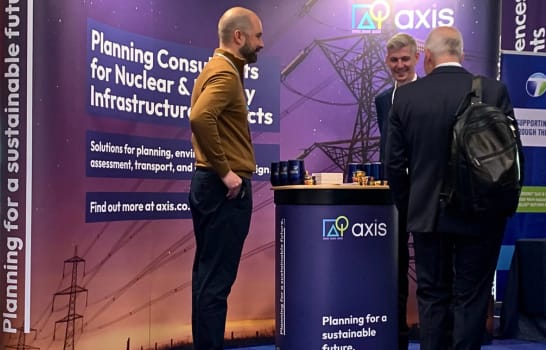
As featured in Nuclear Strategy Great Britain 2026 | By Alistair Yates, Nuclear, Technical Director, Axis
The UK nuclear sector is entering a decisive phase
After years focused on policy ambition, funding models, and reactor innovation, the conversation is now shifting firmly towards delivery.
Small Modular Reactors (SMRs) present one of the most significant opportunities for the UK’s energy system we’ve seen in decades. If deployed successfully at scale, they could play a central role in strengthening UK energy security, supporting industrial decarbonisation, and providing reliable low-carbon power for generations to come.
The UK Government’s ambition to expand nuclear capacity significantly by mid-century, alongside the development of a national SMR programme, underlines the scale of the opportunity now emerging for the sector.
But the next differentiator in SMR deployment will not be reactor design alone. It will be delivery strategy.

From technological innovation to deliverable infrastructure
As the sector moves from ambition into implementation, a new reality is becoming clear – successful deployment will depend not only on reactor technology, but on the ability, via a compatible planning strategy, to translate that technology into deliverable infrastructure.
In the UK context, that challenge is defined by land, planning, and consent.
Every nuclear project ultimately becomes a place-based decision. Site selection, environmental limitations, grid connectivity, community acceptance, and the consenting route all shape programme certainty. For SMR developers entering the UK market, these factors can quickly become the critical path to delivery.
Why planning and consenting shape programme certainty
This is particularly important as developers consider how SMR programmes will be rolled out nationally. Questions around whether sites fall within the Nationally Significant Infrastructure Projects (NSIP) regime, how Development Consent Orders compare with local authority planning routes, and how cumulative environmental impacts are assessed will significantly influence timelines.
These are not simply procedural questions. They shape risk, investment confidence, and ultimately the pace of deployment.
Experience from complex regulated infrastructure projects (including those within the nuclear fuel cycle and other major energy developments) demonstrates that planning strategy is most effective when it’s embedded early. Waiting until a preferred site is selected before considering consenting pathways or environmental limitations can introduce unnecessary delays and cost.
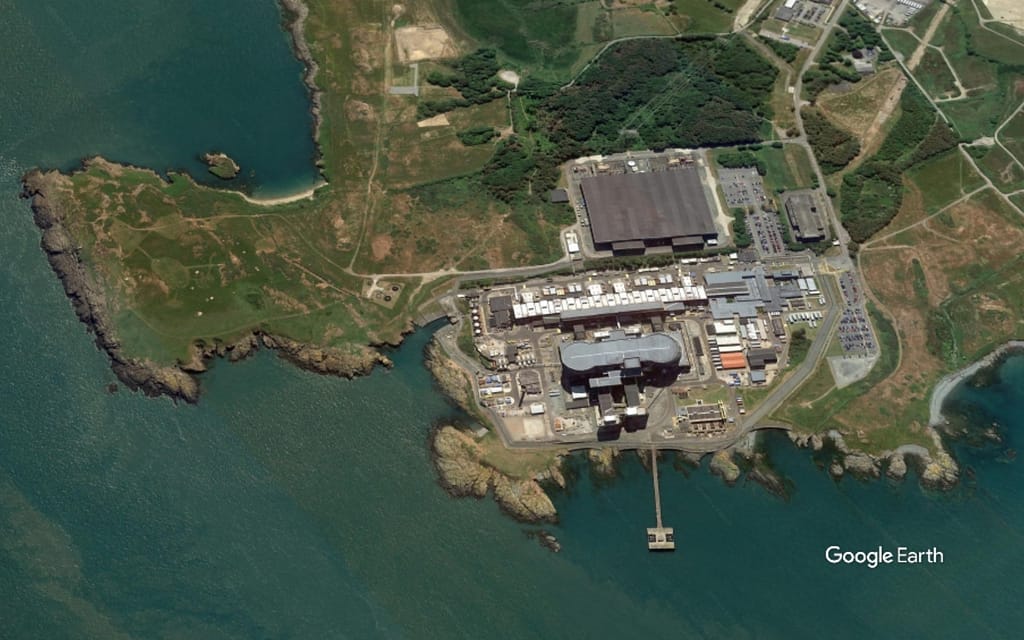
Embedding planning strategy at the earliest stage
Conversely, integrating planning, environmental assessment, and stakeholder engagement at the site selection stage can significantly de-risk projects.
Early strategy enables developers to understand the planning landscape, identify potential consenting routes, assess environmental sensitivities, and engage constructively with local communities and decision-makers. It also allows programme sequencing to be aligned with realistic consenting timelines.
For first-of-a-kind SMR projects in particular, this integrated approach is critical. Novel technologies will inevitably attract scrutiny, and confidence in delivery will depend on demonstrating credible pathways from concept to consent.
When this alignment happens early, planning becomes an enabler rather than a constraint. It provides clarity to investors, confidence to communities, and structure to complex infrastructure programmes.
What good delivery strategy looks like
Successful programmes typically bring together planning, environmental, and infrastructure specialists alongside engineering and commercial teams from the outset. This allows developers to move beyond theoretical deployment models and begin shaping projects that are genuinely buildable within the UK regulatory framework.
Turning national ambition into deliverable projects
The scale of the opportunity for the UK nuclear sector is substantial. But so too are the risks of underestimating the planning and consenting landscape.
As the industry moves from ambition to delivery, the interaction between reactor innovation and land-use reality will increasingly determine which projects succeed.
Axis has a long and demonstrable record of supporting complex energy and nuclear infrastructure projects for our key clients across the UK, helping associated companies and developers to navigate planning, environmental assessment, and stakeholder strategy to translate nationally significant ambitions into consented, deliverable schemes.
With extensive experience supporting major nuclear and energy infrastructure projects across the UK, Alistair Yates leads Axis’ work in the nuclear sector, advising clients on planning strategy, environmental assessment, and the consenting pathways needed to deliver complex developments. His expertise spans projects at every stage of the development lifecycle, helping clients navigate regulatory challenges and de-risk nationally significant infrastructure.
Whether you’re exploring opportunities in Small Modular Reactors, fuel cycle facilities, grid infrastructure, or wider energy projects, the Axis nuclear team can provide the strategic planning and environmental expertise needed to move from ambition to delivery. To discuss your project and how early planning can support successful outcomes, get in touch with Alistair or speak to the team today.
Alistair Yates
Technical Director, Nuclear, Axis
alistairyates@axis.co.uk